
A festival can attract attention without creating a tourism economy
Every year, Nigeria's cultural calendar demonstrates something the country sometimes undervalues: the nation has destinations, stories and traditions that people are willing to travel to experience.
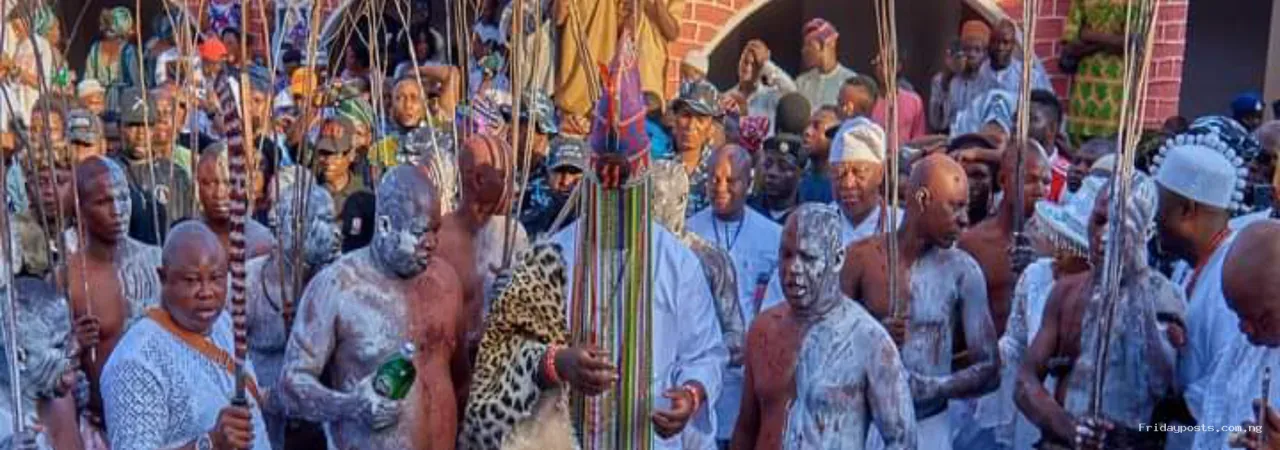
Olojo Festival in Ile-Ife is one example. The 2026 celebration again drew attention to the ancient city's place in Yoruba history and identity, while Osun State said it wants deeper partnership with Ile-Ife to develop tourism for economic growth. Organisers also integrated a five-kilometre road race into the festival programme, explicitly connecting heritage, sport and destination development.
The instinct is correct. But a successful festival weekend is not yet a tourism economy.
Tourism becomes an economy when a visitor's interest creates a chain of transactions: transport, accommodation, food, guides, museums, retail, performances, photography, crafts, local experiences and repeat visits. The stronger the chain, the more value remains in the destination.
Nigeria's advantage is not a shortage of stories
Nigeria possesses religious heritage, royal institutions, archaeological sites, historic towns, music traditions, food cultures, festivals, beaches, mountains, forests, art markets and contemporary creative industries.
The constraint is often packaging. A site may be historically important but difficult to find online. A festival may attract thousands of visitors without an integrated booking platform. A town may have multiple heritage sites but no clear three-day itinerary. Travellers may struggle with roads, local transport, payments, safety information or basic visitor services.
Tourism therefore requires more than possessing an attraction. It requires turning the attraction into a dependable visitor product.
Olojo offers a useful destination model
Ile-Ife has something tourism planners spend heavily trying to create: a powerful identity. It is widely regarded within Yoruba history and tradition as an ancestral centre, and Olojo gives that identity a recurring annual focal point.
The opportunity is to use the festival as an entry point rather than the entire product. A visitor who arrives for Olojo should be able to spend several days exploring curated heritage routes, museums, art, food, local businesses and nearby destinations.
That requires coordinated schedules, trained guides, maps, digital content, visitor information, transport connections and quality standards. The road race added to the 2026 festival is a good example of product extension. Culture can be combined with sport, education, wellness, cuisine and creative business without reducing the heritage itself to entertainment.
The visitor journey begins before the visitor arrives
Modern tourism is heavily digital. People decide where to travel through search, video, social media, reviews and booking platforms.
A destination that cannot be discovered online is already at a disadvantage. Search for a major cultural site and the visitor should find accurate opening times, ticket information, transport options, nearby hotels, safety guidance, accessibility information and recommended experiences.
Nigeria's tourism development therefore needs a digital layer. Festivals and heritage sites should have consistent websites, map listings, multilingual information, online ticketing where appropriate and high-quality visual storytelling.
This does not require turning every sacred or historic experience into a commercial spectacle. It requires making legitimate visitor access understandable and professional.
Transport and safety are part of the tourism product
The tourism industry cannot separate itself from infrastructure. A visitor judges the entire journey, not only the attraction.
If roads are poor, domestic flights are expensive, local transport is confusing or travellers are uncertain about security, a compelling destination becomes harder to sell.
This is a continental issue as well. The World Travel & Tourism Council identifies connectivity, travel facilitation, infrastructure and safe journeys among the major conditions for tourism growth. Across Africa, domestic travel still accounts for the majority of tourism spending, which means improving travel within countries and the continent can be economically important even before international arrivals are considered.
For Nigeria, domestic tourism should be a serious market. A country of Nigeria's size should not wait for foreign visitors before building viable destinations.
Local people must see economic value
Tourism is most sustainable when local communities benefit.
A festival should increase demand for local accommodation, food, transport, crafts, guides and entertainment. Young people should see pathways into photography, event production, hospitality, digital marketing, tour operations and cultural entrepreneurship.
This also strengthens preservation. Communities are more likely to defend heritage assets when those assets create legitimate economic opportunity without stripping them of cultural meaning.
WTTC's recent destination-stewardship work makes the same broader point: tourism growth should create value for residents while protecting the character of the destination.
Nigeria needs better tourism data
A country cannot manage what it barely measures.
Nigeria needs reliable data on visitor numbers, hotel occupancy, average visitor spend, length of stay, origin markets, seasonality and employment around major destinations.
Festival organisers should know how many visitors came, how much they spent, how long they stayed and what they rated poorly. States should know which attractions generate repeat visits. Investors need evidence before financing hotels, transport or visitor facilities.
Without this information, tourism policy becomes a collection of promotional statements rather than an investment strategy.
Preservation must come before over-commercialisation
The temptation to monetise culture can also become destructive. Sacred sites, rituals and historic environments can lose meaning when visitor growth is unmanaged.
Tourism development should therefore distinguish between areas that can handle heavy visitor traffic and spaces that require limits or special protocols. Revenue should support conservation, documentation and community custodianship.
The product is the culture and place itself. Damaging them in pursuit of short-term visitor numbers destroys the asset on which the industry depends.
Build year-round clusters, not one-weekend economies
The strongest tourism strategy for Ile-Ife would not ask only how to make Olojo bigger. It would ask how Olojo can introduce people to a destination that remains worth visiting throughout the year.
The same principle applies elsewhere. Argungu should connect visitors to broader Kebbi experiences. Calabar's festival season should support year-round Cross River tourism. Durbar celebrations can connect to heritage, equestrian culture, food and crafts. Osun-Osogbo can anchor wider heritage routes.
Festivals create peaks of attention. Destination strategy converts those peaks into repeatable demand.
Nigeria already has the raw material
Nigeria does not need to invent a tourism identity from nothing. It already has culture powerful enough to attract its own citizens, the African diaspora and international visitors.
What it needs is the less glamorous work: roads, safety, visitor information, hospitality standards, preservation, digital discovery, data, investment and professional destination management.
Olojo Festival is valuable because it reminds Nigerians what already exists. The economic question is what happens after the celebration ends.
When heritage becomes easier to discover, easier to visit and better connected to local businesses, culture can generate income without becoming disposable. That is the tourism economy Nigeria should be building.









Reader conversation
0 approved comments