
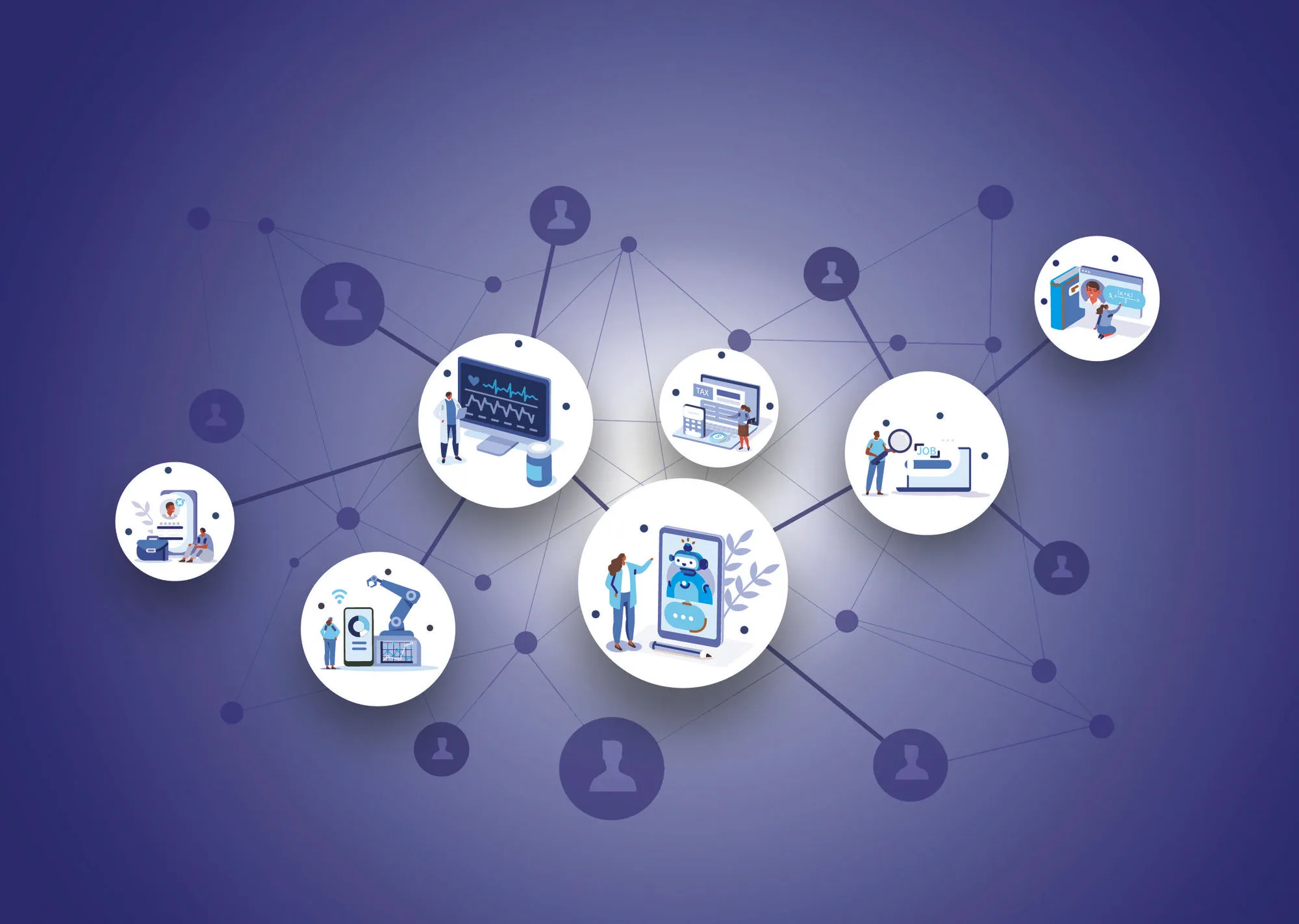
In the towering skyscrapers of Wall Street and the bustling markets of Lagos, one reality remains: economies are not abstract systems—they are human ecosystems. The true test of an economy is not its stock index or GDP figures, but whether the average person can thrive, innovate, and live with dignity.
The future of economic prosperity will not be built on numbers alone—but on values, vision, and people-first policies. This is the heart of what we call The People’s Economy—a model of growth that is equitable, innovative, and built to serve everyone, not just elites.
1. BEYOND GDP: MEASURING WHAT TRULY MATTERS
Gross Domestic Product (GDP) is often treated as the holy grail of economic progress. But GDP measures economic activity, not well-being. A country can have rising GDP and rising poverty at the same time.
The People’s Economy prioritizes:
-
Living wages, not just job numbers
-
Access to health, education, and social security
-
Environmental sustainability
-
Wealth distribution and social mobility
Case in Point:
New Zealand introduced a “Wellbeing Budget” to fund policies based on citizens’ life satisfaction, mental health, and future opportunities—not just fiscal surplus.
Lesson: Numbers should serve people, not blind policymakers.
2. INCLUSIVE GROWTH: NO ONE LEFT BEHIND
A growing economy that only benefits the top 10% is not progress—it’s imbalance.
Inclusive economic growth means:
-
Expanding access to capital for SMEs and rural businesses
-
Bridging the digital divide
-
Gender-balanced economic participation
-
Supporting youth employment and innovation
Example:
Rwanda’s rapid economic recovery was fueled by empowering rural women and youth to become key players in agriculture and entrepreneurship.
Insight:
An economy that works for everyone grows stronger and faster.
3. INNOVATION: FUELING THE NEXT FRONTIER
Today’s global economy is knowledge-driven. Nations that fail to innovate will fall behind.
Innovation is not optional—it’s oxygen.
But innovation must be democratized. That means:
-
Funding local startups and research institutions
-
Creating tech hubs beyond capital cities
-
Integrating digital education in every school
-
Incentivizing problem-solving over credentialism
Example:
India’s UPI system (Unified Payments Interface) revolutionized financial inclusion by enabling seamless digital payments even in remote areas—transforming the informal sector.
Takeaway:
When innovation is inclusive, it becomes a multiplier of prosperity.
4. TAXATION FOR DEVELOPMENT, NOT EXPLOITATION
Taxation must be rethought—not just as a revenue tool, but a development strategy.
In The People’s Economy:
-
Tax systems are progressive, not punitive
-
Tax policies support small businesses, not crush them
-
The informal sector is integrated, not ignored
-
Every dollar collected must be traceable to its impact
Case Study:
Nordic countries use high but fair taxation to fund universal education, health care, and infrastructure. Citizens comply because they see the value.
Conclusion:
People don’t resist tax—they resist waste.
5. RESILIENCE THROUGH DIVERSIFICATION
Economic prosperity must be shockproof.
Pandemics, oil price crashes, wars—these remind us that mono-economies are fragile economies. Resilient economies:
-
Diversify exports and industries
-
Build strong manufacturing bases
-
Develop green and digital sectors
-
Encourage domestic value chains
Nigeria’s Lesson:
Overdependence on oil has cost the nation billions during price crashes. Diversifying into agriculture, tech, and services is not a luxury—it’s survival.
6. LOCALIZATION AND THE POWER OF THE INFORMAL ECONOMY
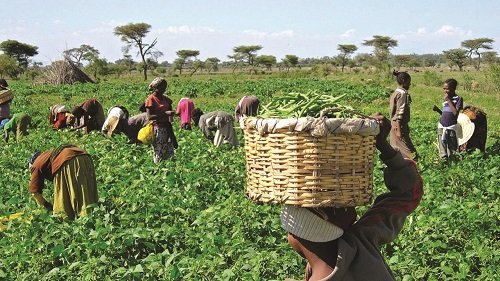
Over 60% of many African economies are driven by informal workers—market traders, artisans, transporters. Yet, most policies ignore them.
The People’s Economy acknowledges:
-
Informal sectors are vital job creators
-
Empowering them with microcredit, training, and registration grows GDP
-
Local supply chains reduce reliance on imports
Strategy Tip:
Governments must create microeconomic policies for street-level entrepreneurs—not just multinational corporations.
7. PUBLIC-PRIVATE SYNERGY: PARTNERSHIPS THAT PROSPER
No government alone can lift an economy. And no private sector can thrive in chaos. Synergy between the two is non-negotiable.
-
Governments provide regulation, infrastructure, and vision
-
Private sector offers innovation, agility, and execution
Example:
Singapore’s economic miracle was built on this partnership. The state planned; the market innovated.
Model:
Public + Private + People = Prosperity
8. SUSTAINABILITY AS ECONOMIC STRATEGY
Climate change is no longer an environmental issue—it is an economic crisis.
The future of job creation, industrialization, and even tourism lies in sustainable practices:
-
Green energy investments
-
Waste-to-wealth innovation
-
Eco-friendly transport
-
Reforestation and conservation incentives
Africa’s Opportunity:
With its abundant sunlight and youthful population, the continent can lead a green economic revolution—if it invests early.
Build an Economy That Works for All
Economic prosperity must not only be seen in towers and tunnels—but in tables with food, classrooms with technology, and streets filled with dignity.
The People’s Economy is not a utopia—it is a shift.
From greed to generosity.
From exclusion to equity.
From extractive models to regenerative systems.
Let us measure our economies not by wealth hoarded, but by lives uplifted.






Reader conversation
0 approved comments