

Nigeria’s response to political tension ahead of the 2027 general elections is moving beyond public appeals for calm. The Nigeria Police Force has warned against electoral violence, intimidation, thuggery, hate speech and incitement, while the National Peace Committee, chaired by former Head of State General Abdulsalami Abubakar, says it is strengthening its monitoring capacity.
The immediate concern is not only what happens during the campaign peak. It is whether early warnings about inflammatory rhetoric, local disputes and breaches of electoral rules can be converted into preventive action before they become violence.
That is the central test for Nigeria’s emerging prevention infrastructure: can monitoring, dialogue and security planning operate alongside credible investigations, neutral policing and consequences for offenders?
What has been activated
The National Peace Committee says it has established a situation room and an Electoral Offences Tracking System to monitor breaches of the Peace Accord, electoral law and related electoral frameworks. Reporting that cited the committee said the system records violent and non-violent violations and forwards relevant information to the Independent National Electoral Commission and the police.
INEC and the committee held a stakeholder briefing on an annotated Peace Accord in Abuja on March 2, 2026, according to INEC.

PUNCH reported that the police had opened investigations into controversial remarks attributed to officials and politicians in Borno, the Federal Capital Territory and Osun. The identities, exact wording and legal status of those remarks require confirmation through recordings, transcripts or formal police statements.
In its public statements, the Nigeria Police Force said election personnel would be guided by the Constitution and the Electoral Act. It also said intelligence mapping, inter-agency coordination and counter-misinformation measures had been activated for the electoral cycle.
The enforcement gap
The Peace Committee’s monitoring role is useful, but it has a clear institutional limit: it does not have constitutional authority to prosecute offenders or impose sanctions. Its influence depends on whether the bodies receiving its information investigate and act.
That creates a chain of accountability involving the police, INEC, prosecutors and the courts. Political parties may also have internal disciplinary mechanisms. A peace accord can create political pressure for restraint, but it cannot substitute for binding enforcement.
Analysis: The existence of a situation room or tracking system does not, by itself, prove that warnings will produce timely deployments, mediation or arrests. Important questions include whether the system is publicly accessible, how quickly incidents are assessed, who decides when a warning requires intervention and whether outcomes are published.
Neutrality will be judged in practice
The police have stated that violence, intimidation, thuggery, hate speech and incitement linked to elections could lead to arrest and prosecution. They have also said that election security is the responsibility of constitutionally recognised security agencies and excluded non-state or quasi-security formations from election-security duties.
Those statements establish an official position. However, neutrality will be judged by how rules are applied when allegations involve politically connected actors or competing parties. In editorial terms, credible election security requires clear complaint channels, consistent treatment across states and parties, and explanations when investigations are closed or prosecutions do not follow.
This is particularly important at local level, where disputes may begin with a speech, threat, rumour or confrontation that receives little national attention. Early-warning systems are valuable only if information from communities, civil society monitors and media organisations reaches decision-makers before violence spreads.
Party conduct and public accountability
The Peace Accord’s effectiveness will depend on its obligations, signatories, reporting mechanisms and consequences for breaches. The extent to which all major parties have signed, accepted and operationalised the 2027 accord should be documented from the accord and signatory records.
Political leaders also carry responsibility for the language used by their supporters and officials. Where alleged incitement is reported, the public interest is not served by headlines about an investigation alone. Citizens need to know what complaint was made, what evidence was reviewed, whether the statement breached a law or accord, and what action followed.
Analysis: Publishing that sequence would help distinguish genuine prevention from symbolic enforcement. It could also give parties an incentive to discipline their own actors before police or courts become involved.
The safeguards to watch
Before Nigeria reaches the peak of the 2027 campaign, several indicators will show whether its prevention infrastructure is functioning:
- whether the National Peace Committee’s tracking and escalation procedures become clearer and more transparent;
- whether police investigations into alleged inciting remarks produce publicly explained outcomes;
- whether INEC, the police and other statutory security agencies coordinate responses to local warnings;
- whether parties disclose their commitments under the Peace Accord and act against breaches;
- whether security deployment decisions are applied impartially and monitored independently; and
- whether citizens can report threats and receive protection before incidents escalate.
The early activation of dialogue, monitoring and security planning is preferable to waiting for tensions to peak. But prevention will be measured by results, not announcements. For Nigerians at home and abroad, the question is straightforward: when the next warning arrives, which institution will act, how quickly will it act, and will the public be able to see what happened?
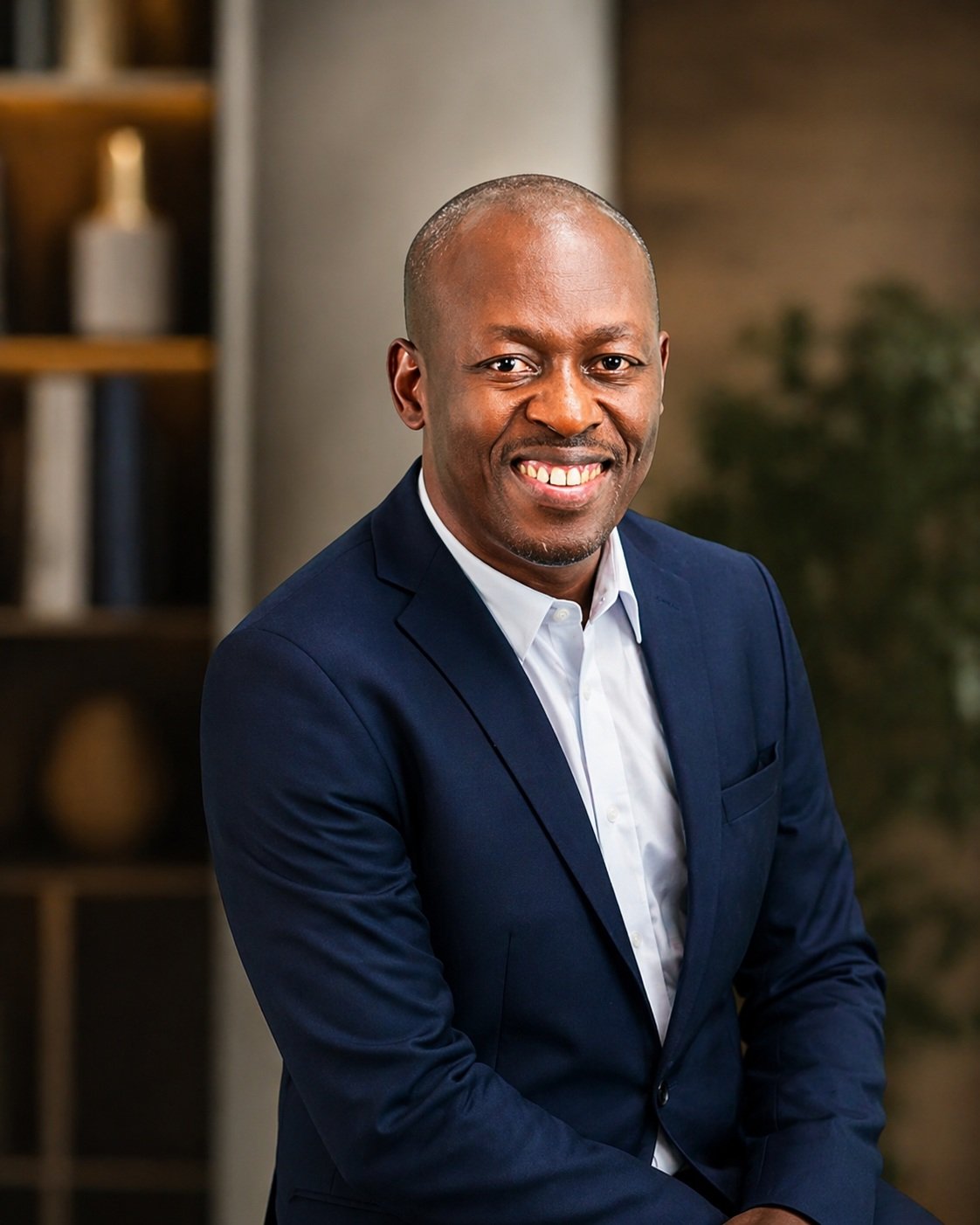
A. Joshua Adedeji
A. Joshua Adedeji is a leadership strategist, organisational development consultant, author, teacher and values-driven transformation leader. He writes on leadership, strategy, governance, organisational effectiveness, business, personal development and Nigeria’s social and economic transformation, connecting ideas and current realities to practical implications for leaders, institutions, entrepreneurs and citizens. His work is shaped by a commitment to clear thinking, responsible leadership, stronger institutions and the development of people and systems capable of producing lasting impact.






Reader conversation
0 approved comments