

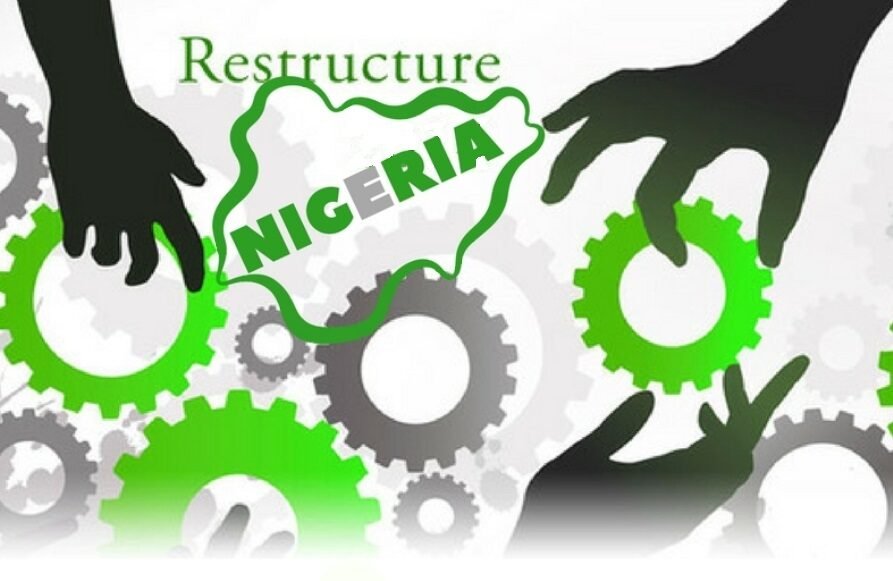
As Nigeria’s political landscape continues to evolve, President Bola Tinubu faces mounting pressure to reassess his cabinet's effectiveness. Reports suggesting that a significant cabinet reshuffle may be imminent highlight the challenges Tinubu must navigate to solidify his administration’s legacy. This potential shake-up reflects not only the immediate political pressures but also a broader historical context deeply rooted in Nigeria's complex political history.
Historical Context of Cabinet Reshuffles in Nigeria
Cabinet reshuffles are not new in Nigerian politics; they have been a recurring feature of the country's political narrative, often influenced by a combination of internal party dynamics, public discontent, and the need for administrative efficiency. Since Nigeria's return to civilian rule in 1999, successive presidents have used cabinet reshuffles as a tool to maintain political balance, manage factionalism within their parties, and respond to public outcry over governance issues.
Olusegun Obasanjo’s Era (1999-2007):
During President Olusegun Obasanjo’s administration, reshuffles were frequent and served as a mechanism to appease various political interests within the ruling People’s Democratic Party (PDP). Obasanjo’s approach was pragmatic; ministers were often moved to different ministries or removed altogether if their performance was deemed unsatisfactory or if political alliances shifted. His administration also faced criticism for appointing ministers perceived as loyalists rather than technocrats, a pattern that would echo in subsequent governments.
Goodluck Jonathan’s Presidency (2010-2015):
President Goodluck Jonathan’s tenure was marked by similar challenges. His cabinet reshuffles, particularly the one in 2013, were widely seen as a response to growing internal party tensions and public dissatisfaction. Jonathan replaced several ministers as part of an effort to project a more reform-oriented image. However, these changes were often criticized for being superficial, with critics arguing that the reshuffles did little to address the root causes of inefficiency within the government.
Muhammadu Buhari’s Government (2015-2023):
Under President Muhammadu Buhari, cabinet reshuffles were less frequent but carried significant political weight when they occurred. Buhari, who was often criticized for maintaining a rigid approach to governance, made key cabinet changes in 2019 and 2021 in response to public pressure and perceived underperformance. His reluctance to frequently shuffle his cabinet led to accusations of nepotism and the perception that his administration was slow to respond to the dynamic needs of governance.

Tinubu’s Political Challenges and the Impetus for Change
President Bola Tinubu’s administration is currently grappling with significant challenges, including economic instability, rising insecurity, and widespread public discontent. These issues have intensified the scrutiny on his cabinet, with many questioning the competence of his ministers. The recent establishment of the Result and Delivery Unit, tasked with measuring the performance of government officials, underscores Tinubu’s awareness of the need for accountability and effective governance.
The reported underperformance of two-thirds of Tinubu’s ministers, as highlighted by opposition parties and public commentators, presents a critical juncture for his presidency. Unlike his predecessors, who often delayed decisive action, Tinubu appears to be responding to the urgency of the moment. The pressure from within his party, the All Progressives Congress (APC), and from external stakeholders, including the international community, signals that a cabinet reshuffle may be necessary to reinvigorate his administration and ensure the successful implementation of his policies.
Political Implications of a Cabinet Reshuffle
Strengthening Governance:
A well-executed cabinet reshuffle could significantly strengthen Tinubu’s government by bringing in fresh talent and expertise. The focus on appointing individuals with proven capacity to deliver results would be a departure from the traditional practice of rewarding political loyalists with ministerial positions. This shift could enhance the government’s ability to tackle Nigeria’s pressing challenges more effectively.
Managing Political Fallout:
However, a reshuffle also carries risks, particularly in managing the expectations of various political factions within the APC. Tinubu must balance the need for competence with the political realities of maintaining support within his party. The replacement of underperforming ministers could lead to dissatisfaction among influential party members, potentially destabilizing the party’s unity ahead of the 2027 general elections.
Public Perception:
Public perception will play a crucial role in the success of any reshuffle. Nigerians are increasingly demanding accountability and transparency from their leaders. Tinubu’s ability to demonstrate that his cabinet changes are based on merit rather than political expediency will be key to regaining public trust and confidence in his administration.
Economic and Social Impact:
The ministers responsible for key sectors such as education, health, power, and transportation have come under particular scrutiny. A reshuffle that brings in competent leadership in these areas could have a tangible impact on the lives of ordinary Nigerians. For instance, improving the performance of the Ministry of Power could address the chronic electricity shortages that have hampered economic growth, while effective leadership in the Ministry of Health could better manage public health crises.
Conclusion: A Defining Moment for Tinubu’s Presidency
The potential cabinet reshuffle represents a defining moment for President Tinubu’s administration. It offers an opportunity to correct course and ensure that his government can deliver on its promises to the Nigerian people. Drawing lessons from the past, Tinubu must approach this reshuffle with a clear focus on competence, accountability, and the long-term interests of Nigeria.
As history has shown, the success of a presidency often hinges on the ability to make tough decisions at critical moments. For Tinubu, this reshuffle is not just a political necessity—it is an imperative for governance. By assembling a cabinet that can effectively implement his policies, Tinubu can lay the foundation for a more stable and prosperous Nigeria, solidifying his legacy as a leader capable of driving meaningful change.








Reader conversation
0 approved comments