

The Genesis of BRICS
BRICS was founded in 2006, initially as BRIC before the inclusion of South Africa in 2010. The coalition was established with a vision to foster economic growth, regional development, and integration among the member countries. From its inception, BRICS has been a symbol of the shift in global economic power from the G7 nations to emerging economies.Objectives and Goals
The primary objectives of BRICS revolve around mutual economic growth, political collaboration, and cultural exchange. By leveraging their collective strengths, BRICS nations aim to:- Enhance Economic Cooperation: Promoting trade, investment, and financial exchanges within the bloc and beyond.
- Political and Security Collaboration: Working together on issues of mutual interest to enhance geopolitical stability and security.
- Sustainable Development: Committing to sustainable development practices and addressing climate change collaboratively.
- Cultural Exchange: Fostering cultural understanding and exchanges to strengthen diplomatic ties.
The Economic Influence of BRICS
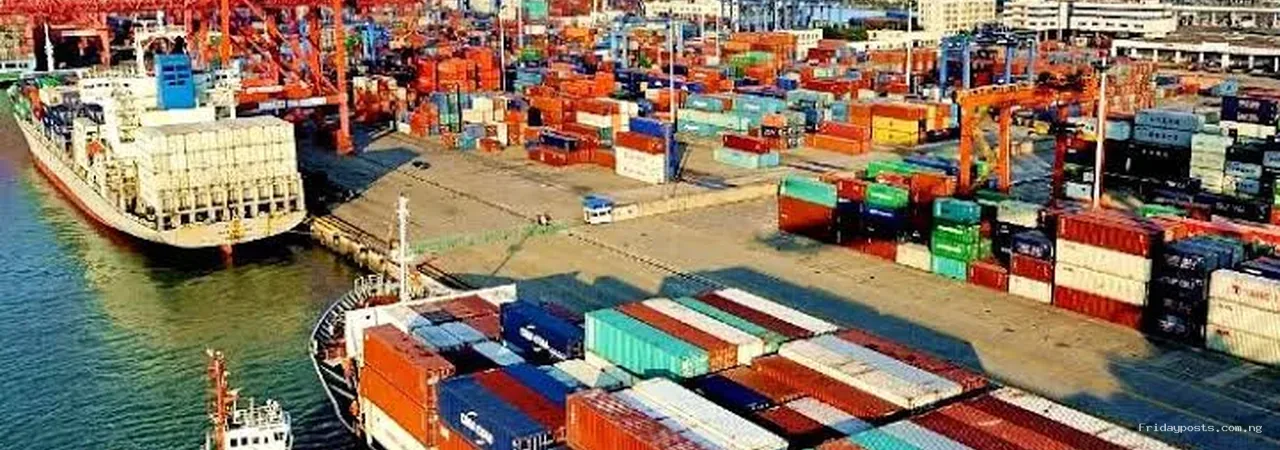
Economically, BRICS nations have shown remarkable growth over the past decade, contributing significantly to global GDP. The bloc's collective economic power is a testament to its potential to influence global economic policies and standards. With over 40% of the world's population residing in BRICS countries, their markets offer vast opportunities for trade and investment.Political Dynamics and Challenges
Politically, BRICS presents a unified front that seeks to challenge the traditional Western dominance of international affairs. The bloc advocates for a multipolar world where emerging economies have a greater say in global governance. However, internal political dynamics and divergent national interests among the member states sometimes pose challenges to this unified stance.BRICS in the Global Arena
On the global stage, BRICS aims to reform institutions that govern international finance and trade, such as the IMF and the World Bank, seeking more representation and voice for emerging economies. Moreover, BRICS nations have been instrumental in launching initiatives like the New Development Bank (NDB), which aims to fund infrastructure and sustainable development projects in BRICS and other emerging economies.Challenges Ahead
Despite its achievements, BRICS faces several challenges, including:- Economic Disparities: Differences in economic size and growth rates among the members can lead to divergent interests.
- Political Tensions: Geopolitical tensions both within the bloc and with external nations can hinder cooperation.
- Sustainability and Inequality: Balancing economic growth with sustainable development and addressing inequalities remains a pressing issue.
The Future of BRICS
The future of BRICS lies in its ability to navigate these challenges while maximizing the opportunities presented by its collective economic and political clout. By fostering greater cooperation and addressing internal disparities, BRICS can play a pivotal role in shaping a more balanced global order.Conclusion
Much ado about BRICS is indeed justified, given its potential to influence global economic and political landscapes. As the bloc continues to evolve, its actions will be closely watched by the world. Through cooperation and a commitment to shared goals, BRICS nations have the opportunity to not only enhance their own prosperity but also contribute to a more equitable and balanced global community.
Was this worth your time?








Reader conversation
0 approved comments