
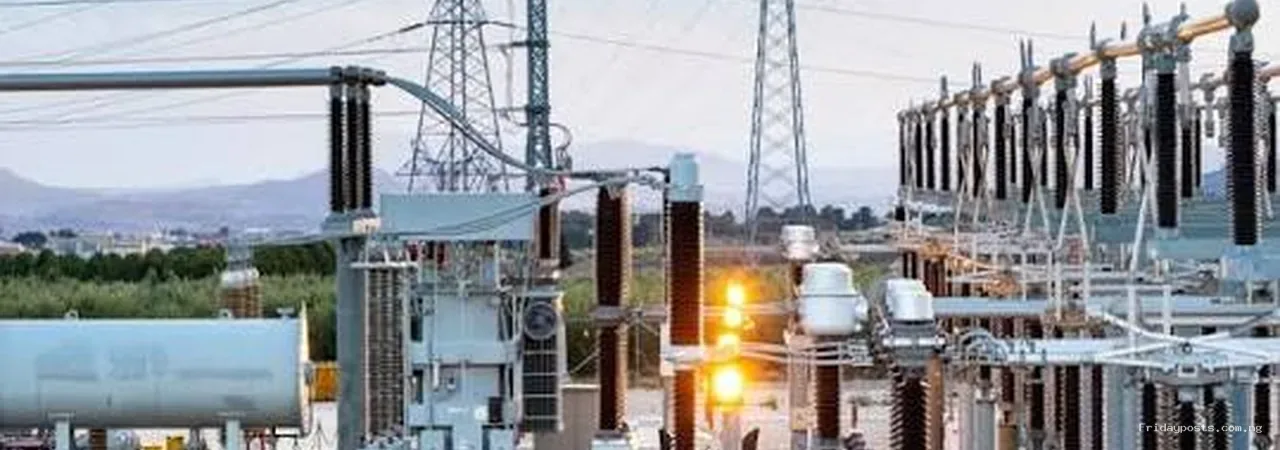
Electricity has been restored to major areas affected by the latest disruption, but the episode exposes a deeper weakness in Nigeria's power system.
Power Minister Joseph Tegbe said the vandalised Benin-Egbin 330kV transmission line had been repaired and returned to service. Electricity supply to the Lagos complex rose back above 1,000MW, while supply was restored to several affected locations in Lagos, Ogun, Oyo, Kwara and the Federal Capital Territory.
Repair is good news.
The more important question is why a single damaged transmission corridor can have consequences across such a wide area.
The answer lies in the structure of the grid.
Nigeria's electricity network does not have enough redundancy in every critical location.
When major lines fail, power that would normally flow through them cannot always be rerouted easily.
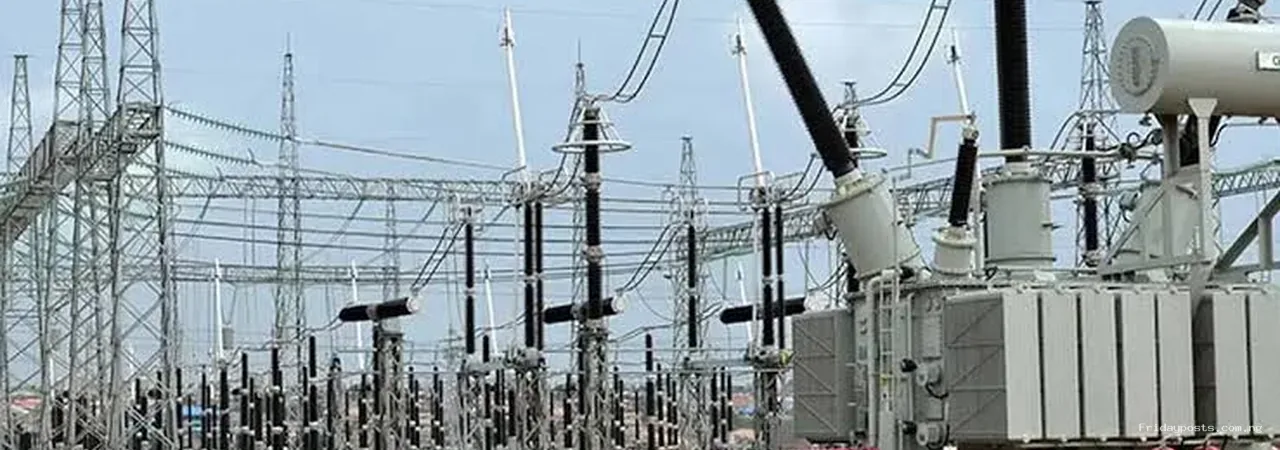
A transmission line is a power highway
Electricity generated at power plants travels over high-voltage transmission lines before reaching distribution networks.
A 330kV line carries large blocks of power.
It is not like a small neighbourhood feeder.
Damage can affect an entire transmission corridor.
If the system has alternate routes with enough spare capacity, operators can redirect power.
If not, supply drops.
This is why redundancy matters.
Vandalism creates a system-wide risk
The immediate cause in this episode was reported as vandalism.
Power infrastructure is physically exposed.
Transmission towers cross remote areas.
Cables and components can be targeted.
Substations can be attacked.
When criminals damage high-voltage infrastructure, the economic consequences extend far beyond the value of stolen material.
Factories stop.
Homes lose electricity.
Telecom sites switch to backup.
Hospitals run generators.
Traffic systems and offices are affected.
The real cost is the outage.
Infrastructure protection is cheaper than repeated repair
Government often announces rapid repair after vandalism.
That is necessary.
But a system that repeatedly repairs preventable damage is inefficient.
Nigeria needs stronger protection for critical transmission routes.
Physical surveillance.
Community intelligence.
Drones where appropriate.
Asset sensors.
Faster reporting.
Prosecution.
The objective is to make vandalism harder and riskier.
Communities along transmission corridors matter
Many transmission lines pass through rural or peri-urban communities.
Residents may notice suspicious activity before security agencies do.
A protection strategy should create trusted reporting channels.
Communities should know who to call.
Reports should produce quick response.
Where land-use disputes or compensation issues exist, they should be resolved.
People are more likely to protect infrastructure they see as part of their own economic system.
Redundancy is the engineering answer to inevitable failure
Not every outage can be prevented.
Equipment fails.
Weather damages lines.
Accidents happen.
Maintenance requires shutdowns.
A resilient grid is therefore designed so that one failure does not create a large disruption.
This is often described through N-1 security: the system should withstand the loss of one major component without widespread collapse or unacceptable service loss.
Nigeria still has corridors where that resilience is weak.
Building more lines is not enough
New transmission lines improve capacity.
But redundancy requires network design.
A second line should provide a meaningful alternative route.
Substations need spare transformer capacity.
Protection systems need coordination.
System operators need visibility.
A grid can have more infrastructure and still remain fragile if the network topology creates bottlenecks.
Repair speed matters economically
The minister described the line as swiftly repaired.
Fast restoration reduces economic damage.
Nigeria should publish performance metrics for major transmission failures.
Time to detect.
Time to isolate.
Time to mobilise.
Time to repair.
Time to restore full capacity.
These indicators can show whether the system is becoming more resilient operationally.
Spare parts are part of resilience
Large transmission components are not ordinary hardware items.
Some transformers and line components have long procurement periods.
Utilities therefore need strategic spares.
A failure that could be repaired in hours may take weeks if the right component is unavailable.
Inventory planning is less visible than commissioning ceremonies.
It can be more important during emergencies.
Security agencies need critical-infrastructure protocols
Power vandalism should not be treated like ordinary theft.
The consequences are national.
Nigeria has designated critical infrastructure protections in different policy contexts.
Implementation needs to be practical.
Police commands, civil defence and intelligence agencies should know which transmission assets in their areas are most critical.
Patrol priorities should reflect system risk.
Prosecution needs to target buyers too
Vandals often steal because there is a market for materials.
Arresting the person at the tower is not enough.
Who buys the cable?
Who processes the metal?
Who transports it?
Who funds organised theft?
Investigations should follow the commercial chain.
Removing demand can reduce attacks.
Lagos reveals the economic scale of grid dependence
Restoring more than 1,000MW to the Lagos complex matters because Lagos is a major commercial centre.
Factories.
Banks.
Ports.
Data centres.
Markets.
Offices.
Transport systems.
A disruption raises the cost of doing business quickly.
Companies switch to diesel or gas backup.
Some production stops.
These costs eventually reach consumers.
Backup power hides the true outage cost
Nigeria is unusual because many businesses own generators.
This can make outages look less damaging than they are.
The lights come back through private backup.
But fuel is purchased.
Equipment is maintained.
Noise and emissions increase.
Productivity can fall during switching.
A grid outage therefore transfers cost from the power system to households and businesses.
The economic loss remains.
Transmission is only one part of reliability
Even if the transmission network is restored, customers can remain without electricity because of distribution faults.
Generation shortages can also limit supply.
This is why public communication should distinguish generation, transmission and distribution.
"Power restored to Lagos complex" does not mean every household immediately receives the same supply.
The distribution network still determines local delivery.
System operators need accurate real-time visibility
A modern grid depends on control systems.
Operators need to know line status, frequency, voltage and power flows.
When a major corridor fails, they must rebalance quickly.
Automation can reduce restoration time.
Nigeria has invested in grid monitoring, but the system needs continuing modernisation.
Digital visibility is a form of resilience.
Cybersecurity is also part of transmission security
Physical vandalism is visible.
Digital disruption can be less so.
As grids become more automated, control systems become cyber targets.
Nigeria should protect both.
Operational technology networks need segmentation, monitoring and incident-response procedures.
A resilient grid is secure physically and digitally.
Distributed generation can reduce pressure on long corridors
Nigeria's future electricity system will likely combine the national grid with more embedded and state-level generation.
Power produced closer to demand can reduce dependence on long transmission paths.
Solar.
Gas.
Small hydro.
Industrial embedded generation.
These do not remove the need for a national grid.
They can make the overall system more resilient.
State electricity markets create an opportunity
Electricity reforms give states more room to develop intrastate markets.
Lagos and other large states can use embedded generation and dedicated networks to supplement national supply.
The challenge is coordination.
Local systems should strengthen, not fragment, the national electricity architecture.
Maintenance should be risk-based
Not every asset has the same importance.
A line carrying large power flows into Lagos deserves a high level of inspection.
Utilities should prioritise assets based on consequence of failure.
Age.
Loading.
Theft risk.
Environmental exposure.
Repair difficulty.
This creates a more intelligent maintenance programme.
Government should publish outage cause data
How much lost supply comes from vandalism?
How much from equipment failure?
Generation shortfall?
Protection trips?
Distribution faults?
Weather?
Without cause data, public debate stays vague.
Nigeria needs annual and quarterly reliability reporting.
The public should know what is improving and what remains weak.
Insurance can help finance recovery but not prevent outages
Infrastructure insurance can reduce financial loss after damage.
It does not keep electricity flowing.
Prevention and redundancy remain essential.
But better insurance arrangements can help utilities replace assets without destabilising finances.
Critical infrastructure should be treated as a professional asset class.
The economic cost should be estimated
Every major outage should generate an economic-impact estimate.
Energy not supplied.
Businesses affected.
Emergency generation cost.
Industrial downtime.
Repair cost.
This can justify investment in protection and redundancy.
If preventing a particular vulnerability costs N20 billion but repeated outages cost N100 billion, the economics become clearer.
The public should know which projects reduce vulnerability
Transmission projects are often announced through megawatts and transformer ratings.
FridayPosts would ask another question.
Which single points of failure does this project remove?
Does it create an alternate path?
Does it reduce overload?
Does it shorten restoration time?
This connects infrastructure spending to resilience.
What should happen after the Benin-Egbin repair
First, publish the technical cause and damage assessment.
Second, state the cost of repair.
Third, explain what security changes will protect the corridor.
Fourth, identify the alternate transmission projects that would reduce dependence on the route.
Fifth, publish restoration-time data.
Sixth, prosecute anyone identified through evidence.
The line should not simply return to service and disappear from public attention.
Restoration is not the same as resilience
Nigeria's power teams deserve credit when they repair damaged infrastructure quickly.
But a resilient electricity system is one in which the same failure causes less disruption next time.
The latest restoration is therefore only half the story.
The other half is whether the country learns from the vulnerability.
A power network serving Africa's largest economy should not depend on hope that vandals leave critical lines alone.
It should be designed, protected and operated on the assumption that failures will occur.
That is what resilience means.
Critical infrastructure law must become operational on the ground
Nigeria can classify electricity assets as critical infrastructure, but legal status matters only when it changes behaviour.
Security formations need maps of high-value corridors.
Utilities need named liaison officers.
Communities need emergency reporting channels.
Scrap dealers should face stronger checks when buying suspicious copper, aluminium or other materials linked to electricity infrastructure.
Protection should be built around the actual risk chain.
The grid needs more than physical redundancy
Resilience also requires institutional redundancy.
If one repair team is unavailable, another should be able to mobilise.
If one control centre loses visibility, backup systems should exist.
If one communications network fails, operators need an alternative.
A resilient grid is not only made of extra lines.
It is made of backup capability across people, systems, communications and logistics.
Distributed energy can reduce the economic cost of a major outage
Large factories, hospitals, estates and data centres increasingly use embedded generation, solar, gas or storage.
These systems can reduce dependence on a single transmission corridor.
The objective should not be to encourage every consumer to leave the grid.
It should be to create enough distributed resilience that a transmission failure does not paralyse an entire economic zone.
Nigeria's electricity reform should reward systems that can support the grid during disruption rather than simply operate as isolated backups.








Reader conversation
0 approved comments