
Nigeria's small-business financing problem is not simply that entrepreneurs need money.
They need the right kind of money.
A shop may need working capital for three months.
A manufacturer may need five years to buy equipment and build a new line.
A logistics company may need several years to finance vehicles.
A food processor may need patient capital for a plant before revenue begins.
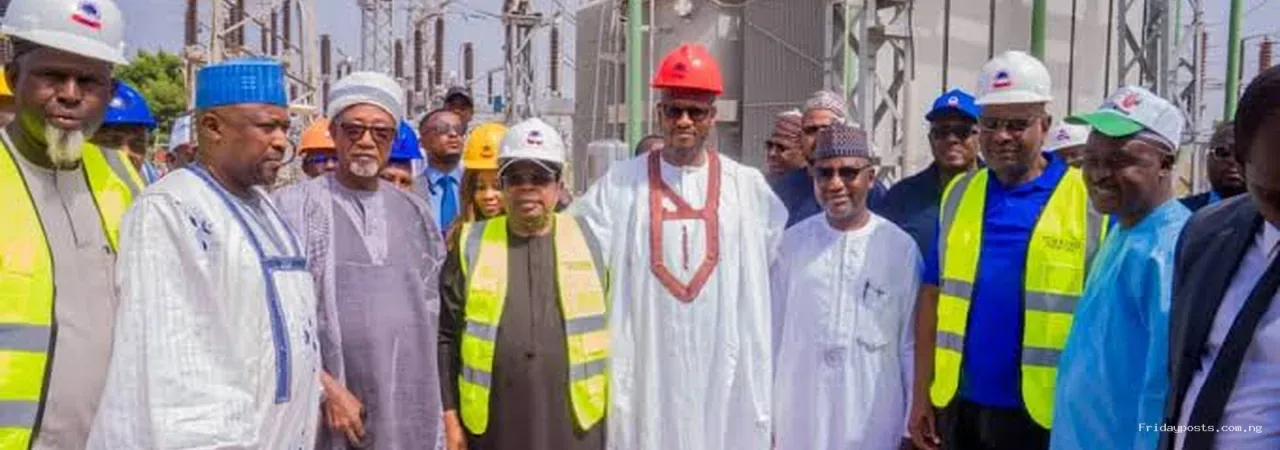
This is why the Bank of Industry's new financing agreement with the International Finance Corporation deserves attention.
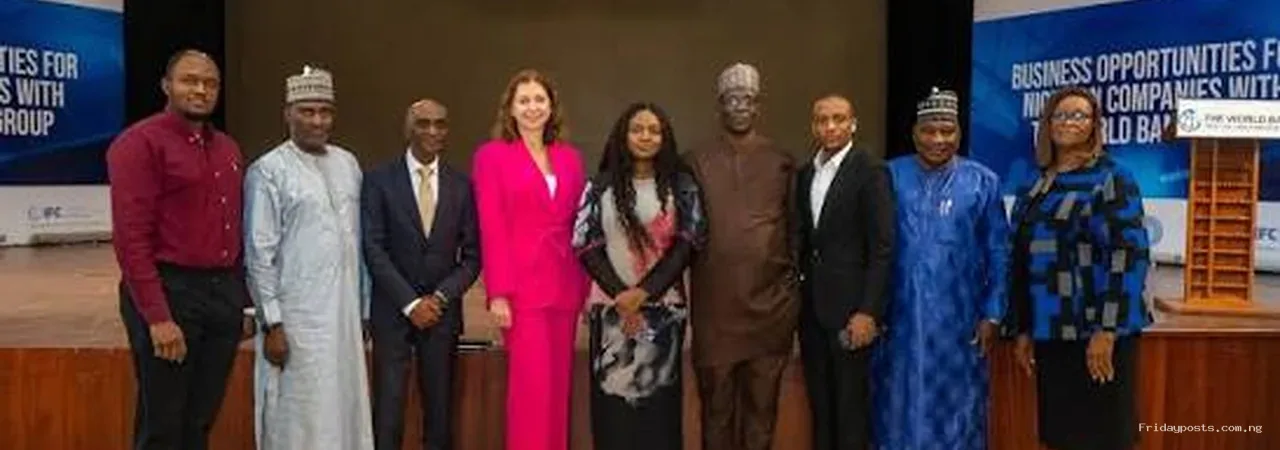
BOI and IFC have signed a $50 million senior loan intended to expand long-term financing for Nigerian micro, small and medium-sized enterprises.
The facility has a seven-year tenor and forms part of a broader IFC investment package of up to $100 million.
At least 25 per cent of the senior-loan proceeds are earmarked for women-owned or women-led businesses.
IFC's investment disclosure also identifies a potential additional investment of up to $50 million in BOI's domestic bond issuance.
The signed loan agreement should not be confused with money already disbursed to businesses.
The real test will be what happens between the financing announcement and an entrepreneur receiving affordable capital.
Long-term money is scarce in Nigeria
Many Nigerian businesses can obtain short-term credit more easily than long-term credit.
This reflects the structure of the financial system.
Banks fund themselves largely with deposits that customers can withdraw relatively quickly.
Lending that money for seven or ten years creates risk.
Development-finance institutions can help fill the gap because they can access longer-term funding.
Why seven-year financing matters
A longer tenor allows a business to repay from the asset it finances.
If a manufacturer buys equipment expected to operate for ten years, a one-year loan is poorly matched.
The repayment burden can become too heavy before the machine has generated enough cash.
A longer loan can make the investment viable.
The headline $50 million will not all become small loans immediately
BOI will have to allocate funds through its lending processes.
Businesses will apply.
Eligibility will be assessed.
Collateral or other security may be required.
Disbursement may occur in tranches.
Some funds may support specific sectors.
This process takes time.
The public should therefore track actual lending, not only the signed agreement.
Interest rate will determine whether the facility changes anything
Long tenor is valuable.
Cost is equally important.
If the final rate to businesses remains too high, many productive projects will still be unviable.
BOI should disclose the pricing framework clearly once the facility is operational.
Base rate.
Fees.
Insurance.
Collateral requirements.
Grace period.
Repayment schedule.
Transparency will allow entrepreneurs to judge whether the product fits their needs.
BOI has an advantage over ordinary commercial banks
A development bank is designed to support productive sectors and national development objectives.
It can use longer-term capital and different risk structures.
That does not mean it should ignore repayment discipline.
Bad loans weaken future lending.
The goal is to finance viable businesses that commercial banks may not serve adequately because of tenor or risk constraints.
Women-owned businesses deserve clear eligibility rules
At least 25 per cent of the senior loan is earmarked for women-owned or women-led enterprises.
That commitment is useful only if the definition is clear.
What ownership percentage qualifies?
Does a woman chief executive qualify if ownership is mixed?
How will beneficial ownership be verified?
Which sectors are eligible?
What support will help applicants prepare bankable proposals?
BOI should publish simple guidance.
Access is often harder than availability
Nigeria frequently announces intervention funds that many entrepreneurs struggle to access.
Application portals can be confusing.
Documentation requirements may be difficult.
Applicants may not understand business plans.
Collateral can become a barrier.
Processing can take months.
A financing programme should therefore be judged by user experience.
Collateral remains a major challenge
Small businesses often have assets without formal documentation.
Land title may be incomplete.
Equipment may not be accepted easily.
Business records may be weak.
Development lenders can use guarantees, movable collateral and cash-flow assessment where appropriate.
But risk cannot be ignored.
The challenge is to expand acceptable security without creating reckless lending.
Businesses need stronger financial records
Entrepreneurs also have responsibilities.
Separate business and personal accounts.
Maintain financial statements.
Record sales.
File taxes where required.
Document inventory.
Create governance processes.
These practices make a business easier to finance.
Sector selection should reflect productive impact
The facility is intended to support productive enterprises.
FridayPosts would prioritise sectors that create jobs, exports or domestic capability.
Manufacturing.
Agribusiness.
Healthcare production.
Logistics.
Technology infrastructure.
Renewable energy.
Light industry.
The exact allocation should be published after disbursement.
Geographic inclusion matters
Development finance often concentrates in Lagos and a few commercial centres because those businesses are easier to assess.
BOI should ensure credible businesses in other states can access the facility.
This may require regional support centres and partnerships.
A national MSME programme should be nationally reachable.
Currency risk should be managed carefully
IFC financing is dollar-linked at the institutional level.
BOI will need to structure on-lending so businesses are not exposed unnecessarily to exchange-rate risk if their revenues are in naira.
A small manufacturer earning naira should not casually take on dollar debt.
The currency structure of the final product matters.
Development finance should crowd in private banks
BOI cannot finance every Nigerian business.
A successful facility should demonstrate viable lending models that commercial banks can replicate.
Co-financing and guarantees can help.
The goal is a broader credit market, not permanent dependence on government-backed programmes.
The potential bond investment could deepen local finance
IFC's disclosure identifies a possible additional investment of up to $50 million in BOI's domestic bond issuance.
If completed, that could support BOI's ability to raise long-term local-currency funding.
This is strategically important because local-currency long-term finance reduces exchange-rate risk for borrowers.
The potential investment should not be treated as completed until it is formally executed.
Loan performance should be published
How many businesses receive funds?
Average loan size.
Average interest rate.
Sector distribution.
State distribution.
Women-owned share.
Repayment performance.
Jobs created.
Exports generated.
These indicators should be reported regularly.
Cheap credit alone is not enough
A manufacturer with a low-cost loan can still fail if electricity is unreliable, roads are poor or demand is weak.
Finance works best when other business conditions improve.
Nigeria should therefore connect development finance with industrial infrastructure, market access and technical support.
Advisory support can improve loan outcomes
Some businesses need more than money.
Bookkeeping.
Quality certification.
Export readiness.
Governance.
Digital systems.
BOI and partners can support training or refer borrowers to credible providers.
Better-managed businesses are more likely to repay.
Application should be transparent and auditable
One recurring fear around intervention finance is political influence.
Eligibility criteria should be published.
Applications should be tracked digitally.
Applicants should receive reasons for rejection where practical.
Large facilities should be subject to audit.
This protects both the bank and the programme's credibility.
MSMEs need realistic repayment structures
A factory expansion may need a grace period before full repayment begins.
An agricultural processor may have seasonal cash flow.
Loan design should reflect business economics.
A rigid repayment schedule can turn good projects into bad loans.
Development finance should be disciplined but flexible.
Women-led businesses may need more than an earmark
If women entrepreneurs face weaker collateral ownership, smaller networks or lower access to financial information, simply reserving 25 per cent may not be enough.
Application support and tailored products may be necessary.
The target should be successful lending, not only a quota on paper.
Nigerians should avoid fake BOI loan agents
Whenever a public financing programme is announced, fraudsters often appear.
Entrepreneurs should use official BOI channels.
They should be cautious about people demanding unofficial processing fees or promising guaranteed approval.
BOI should communicate application procedures widely.
This facility should be compared with other MSME financing options
Entrepreneurs have multiple possible sources.
Commercial banks.
Microfinance banks.
Development banks.
Fintech lenders.
Cooperatives.
Equity investors.
Grants.
Supplier credit.
A business should compare total cost, tenor, collateral and control implications.
The strongest outcome would be productive investment, not loan volume
A lender can disburse billions and still create limited development value if the money does not improve productive capacity.
FridayPosts would judge the BOI-IFC facility by what borrowers build.
New equipment.
Expanded factories.
Jobs.
Exports.
Improved local supply.
That is the economic reason for longer-term finance.
What entrepreneurs should watch for
Official application launch.
Eligibility sectors.
Interest rate.
Grace period.
Maximum and minimum loan size.
Collateral rules.
Women-owned business criteria.
Processing time.
Geographic availability.
These details will determine whether the programme is genuinely accessible.
The agreement is promising, but access is the test
The $50 million facility is a positive development because it increases the pool of long-term finance available to BOI.
But Nigeria has seen many financing announcements that sound larger than their impact on ordinary businesses.
The story will become meaningful when an entrepreneur can apply through a clear process, obtain a loan at a workable cost, invest productively and repay successfully.
That is the chain FridayPosts would track.
A signed agreement is the beginning.
Affordable capital in the hands of viable Nigerian businesses is the outcome.
Sources and further reading
- IFC: Official BOI investment disclosure
- PUNCH, 5 November 2026: BOI and IFC sign $50 million agreement







Reader conversation
0 approved comments