

Nigeria's ninth Diaspora Investment Summit opens with an unusually honest theme: "Bridging the Trust Gap: Connecting Diaspora Capital with Credible Home-based Opportunities." The wording matters because the central problem is not a lack of affection for Nigeria among citizens abroad. It is the gap between willingness to invest and confidence that investments will be protected, transparently managed and capable of producing a return.
The Nigerians in Diaspora Commission says the two-day summit on 10 and 11 November will connect diaspora investors with opportunities in the capital market, infrastructure, public-private partnerships and other sectors. NiDCOM has suggested that strategic diaspora investment could potentially reach $100 billion annually.
That figure should be treated as an aspiration, not money already committed or an established annual inflow. As of the beginning of the summit, there is no verified basis for saying that the event has secured anything close to that amount.
The stronger editorial question is what it would take to convert diaspora wealth into durable investment rather than one-off remittances, speculative property purchases or informal family ventures.
Remittances are not the same as investment
Nigeria receives large flows from citizens abroad, but much of that money supports household consumption.
School fees.
Healthcare.
Rent.
Food.
Family emergencies.
Home construction.
These remittances are economically important. They should not be confused with productive investment.
An investment expects a financial return or ownership interest and carries risk.
If Nigeria wants more diaspora capital for businesses and infrastructure, it must offer structures designed for investment rather than assuming remittance behaviour will naturally change.
Trust is the first financial asset
Diaspora investors often complain about fraud, unclear property titles, weak contracts and projects that change after money is committed.
Some have personal experiences with relatives or informal partners.
Others distrust public institutions.
These experiences increase the perceived risk premium of investing at home.
A credible summit should therefore spend as much time on governance as opportunity.
Who holds the money?
Who audits the project?
What rights does the investor have?
How can disputes be resolved?
What happens if the promoter fails?
These questions matter more than patriotic appeals.
Projects need proper disclosure
A diaspora investor considering a Nigerian business should receive the same quality of information expected in any serious investment market.
Ownership structure.
Financial statements.
Business model.
Debt.
Use of proceeds.
Risks.
Management team.
Legal status.
Expected return.
Exit options.
A project that cannot produce basic disclosure is not investment-ready.
The summit could improve standards by requiring participating promoters to meet minimum documentation requirements before presenting to investors.
Currency risk is central
A Nigerian abroad may earn in dollars, pounds or euros and invest in a naira-based project.
Even if the Nigerian business grows in naira terms, currency depreciation can reduce the investor's return when converted back into foreign currency.
This is one reason diaspora investors often prefer property or dollar-linked investments.
Projects need to explain currency exposure honestly.
Some export businesses naturally earn foreign currency.
Others may use hedging.
Many will simply carry naira risk.
Investors deserve to know which.
Repatriation matters
An investor may be willing to bring money into Nigeria but worry about taking dividends or capital out later.
Foreign-exchange rules, documentation and banking processes can affect confidence.
Government and financial institutions should provide clear guidance on how eligible investment capital is documented and how returns can be repatriated lawfully.
Predictability matters more than special treatment.
Property investment has taught painful lessons
Real estate is one of the most common diaspora investment channels.
It is also a source of complaints about double sales, disputed titles, incomplete buildings and unreliable agents.
A serious investment summit should not ignore these experiences.
Digital land records, escrow arrangements, licensed professionals and enforceable developer disclosures can reduce risk.
The same trust architecture can support other sectors.
Diaspora bonds can work if the structure is credible
Governments in several countries have used diaspora bonds to raise capital from citizens abroad.
Nigeria could expand the use of carefully structured instruments for infrastructure or development.
The advantage is that the investment is formal, documented and regulated.
The risk is that patriotic branding can hide weak economics.
A diaspora bond still needs transparent use of proceeds, competitive returns and credible repayment.
Public-private partnerships need bankable projects
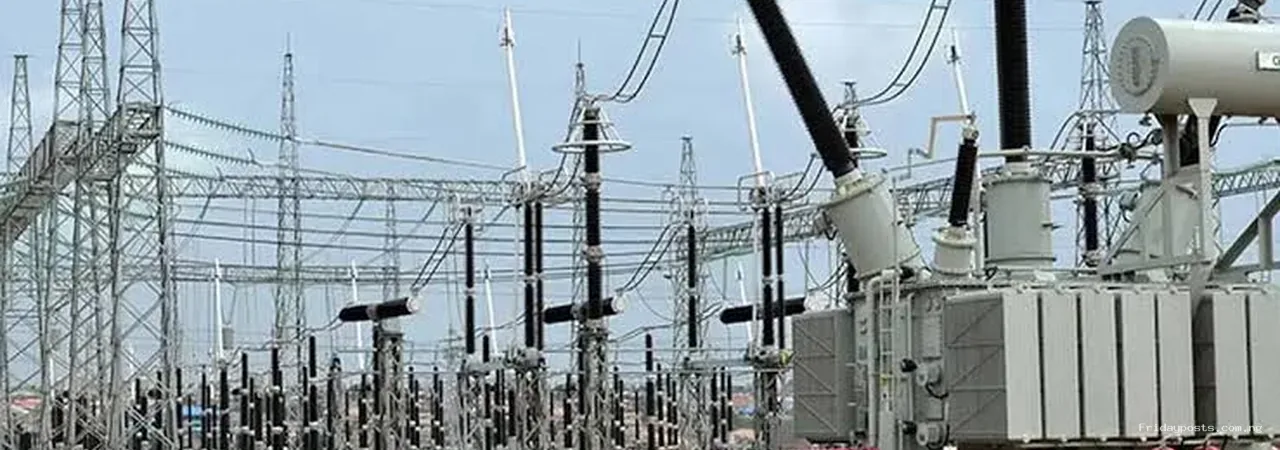
Infrastructure is attractive because Nigeria has enormous needs.
Power.
Transport.
Housing.
Water.
Digital infrastructure.
But infrastructure projects are complex.
They need feasibility studies, land rights, revenue models, regulatory approvals and long-term contracts.
A summit cannot turn an unprepared project into an investable one simply by putting it on a stage.
Government should bring projects that are already properly structured.
Diaspora investors can bring knowledge as well as money
The financial contribution is only one part of the opportunity.
Nigerians abroad work in technology, medicine, engineering, finance, energy, manufacturing and research.
They can introduce governance standards, markets and professional networks.
An investment platform should therefore connect capital with expertise.
A diaspora professional may be more valuable as a board member, technical partner or market connector than as a passive investor.
Smaller investors need pooled vehicles
Not every Nigerian abroad has $1 million to invest.
Many may be willing to invest $5,000, $20,000 or $50,000 in credible opportunities.
Pooled investment vehicles can aggregate smaller capital.
These vehicles need regulation, professional management and clear reporting.
Without such structures, smaller investors are pushed toward informal family arrangements where risk is harder to manage.
Fraud prevention should be explicit
Any event that encourages investment creates an opportunity for fraudsters to imitate official programmes.
NiDCOM and summit organisers should publish a verified list of participating projects and official contact channels.
Investors should be warned not to send money to personal accounts or unverified agents.
A public verification portal could reduce impersonation scams.
Due diligence cannot be replaced by government endorsement
A project may appear at a government-backed summit and still carry commercial risk.
Investors must perform independent due diligence.
Government should make this clear.
The purpose of the summit should be to improve access to credible opportunities, not to imply that every featured project is guaranteed.
Investment always involves judgment.
Contract enforcement is part of investment policy
Nigeria can offer attractive returns and still lose investors if contracts are difficult to enforce.
Commercial courts, arbitration, mediation and clear dispute-resolution clauses matter.
Investors want to know what happens when something goes wrong.
A functioning exit and dispute mechanism can be more important than a tax incentive.
Regulators should coordinate
Diaspora investors may encounter the Securities and Exchange Commission, Central Bank, Corporate Affairs Commission, tax authorities, land registries and sector regulators.
Fragmentation increases cost.
The government could create a diaspora-investment helpdesk that explains which approvals apply without bypassing regulation.
The goal should be navigation, not special exemptions.
The summit should publish outcomes after the event
Many conferences end with speeches about billions of potential investment.
FridayPosts would prefer a post-summit outcome report.
How many projects were presented?
How many entered due diligence?
How much capital was actually committed in signed agreements?
How much was eventually disbursed?
Which sectors benefited?
What happened six months later?
This would distinguish promotional value from real economic value.
The $100 billion aspiration should be treated as a long-term ceiling, not a current baseline
NiDCOM's suggestion that strategic diaspora investment could reach $100 billion annually is ambitious.
Ambition can be useful.
The danger is allowing a large number to dominate public reporting without a pathway.
What instruments would mobilise that level of capital?
How many investors?
What sectors?
What average ticket size?
What reforms would be required?
A target becomes meaningful when it is connected to a model.
Nigeria needs an investment-risk checklist for the diaspora
Before investing, Nigerians abroad should verify ownership, title, promoter identity, audited accounts, regulatory status, bank details, tax treatment, currency exposure, dispute resolution and exit rights.
They should be cautious about guaranteed returns.
They should avoid relying solely on family relationships.
Professional legal and financial advice can be worth the cost.
Patriotism should not eliminate due diligence.
Trust must be earned transaction by transaction
Nigeria's diaspora is economically important because it already sends money home, builds homes, supports families and creates businesses.
The next step is not to persuade people to love the country more.
It is to make formal investment safer, clearer and more competitive.
That requires transparent projects, enforceable contracts, better regulation and reliable reporting.
What success would look like
The summit succeeds if a credible project finds patient capital.
If a diaspora investor sees full information and can invest through a regulated vehicle.
If a business gains not only money but international expertise.
If a public-private project receives financing under a contract investors can understand.
If the organisers publish real outcomes rather than aspirational totals.
These are modest tests compared with $100 billion.
They are more meaningful.
Nigeria does not need another investment conference remembered mainly for its speeches. It needs a pipeline through which trust becomes capital and capital becomes productive assets.
That is the real bridge the summit is trying to build.
The accountability standard
The central editorial standard should be simple: public institutions and promoters must provide enough verifiable information for citizens, workers, investors or consumers to judge whether a policy is producing the result claimed for it. That requires dates, responsible institutions, measurable outputs and follow-through after the initial announcement. FridayPosts would continue tracking the issue beyond the first headline because implementation, rather than publicity, is where public value is ultimately created.
Sources and further reading
- NiDCOM, 6 November 2026: Ninth Nigeria Diaspora Investment Summit announcement
- NiDCOM event page: Bridging the Trust Gap







Reader conversation
0 approved comments